
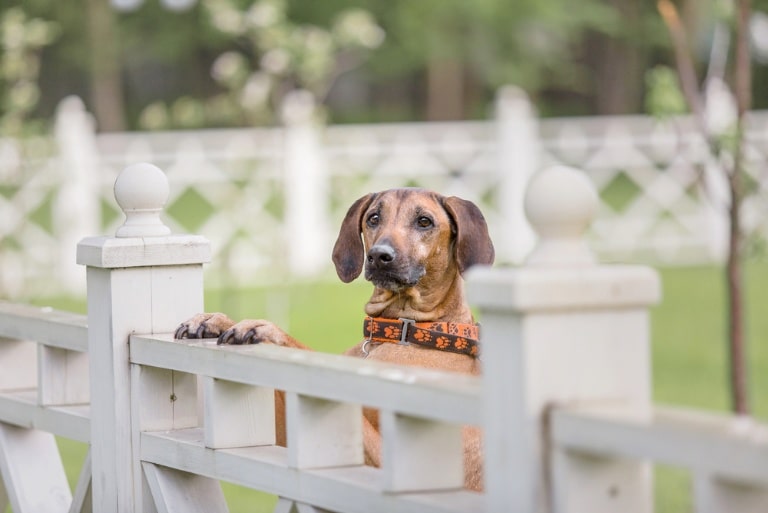
Last weekend, I watched my neighbor’s golden retriever bolt through a gap in their old fence, heading straight for the wooded area behind their Chehalis property. Three hours later, we found him tangled in blackberry bushes near the Chehalis River, scared but thankfully unharmed. This got me thinking about how many Lewis County pet owners face similar challenges keeping their furry family members safe and secure.
Living in rural Lewis County means our dogs have plenty of space to roam, but it also means more opportunities for them to wander off into trouble. Expert fence contractors in Chehalis WA understand these unique challenges better than anyone. Whether you’re dealing with wildlife encounters, neighboring livestock, or simply want peace of mind while your dog enjoys the yard, the right fencing approach can make all the difference.
Know Your Dog’s Containment Needs
Here’s the thing about dog fencing – one size definitely doesn’t fit all. Your Great Dane needs something completely different from your neighbor’s Corgi, and understanding these differences is the first step toward making the right choice.
For smaller breeds under 25 pounds, a 4-foot fence usually does the trick. But honestly? I’ve seen some determined Jack Russell Terriers that could probably clear a 6-foot barrier if they really wanted to. Medium-sized dogs between 25 and 60 pounds typically need at least 5 feet of height, while larger breeds require 6 feet or more.
The real challenge comes with those athletic breeds. German Shepherds, Border Collies, and similar high-energy dogs don’t just think about jumping – they think about climbing, digging, and finding creative ways around your barriers. If you’ve got a digger, you’ll need to plan for underground deterrents. Jumpers might need lean-in tops or even higher fencing.
Living here in Lewis County adds another layer of complexity. We’re sharing our space with deer, coyotes, and occasionally bears. Your fence needs to keep your dog in while keeping wildlife encounters to a minimum. Plus, if you’re near farming areas, you’ll want to be considerate of neighboring livestock.
Physical Fencing: Your Main Options
Chain link remains the workhorse of dog fencing, and for good reason. It handles our Pacific Northwest weather like a champ, doesn’t block sightlines, and works well for large properties. Your dog can see what’s happening on the other side, which reduces anxiety for many pets. The downside? Some dogs develop fence-line aggression when they can see through their barrier, and determined climbers can use the links like a ladder.
Wood fencing offers privacy and style, especially cedar options that naturally resist our region’s moisture problems. Cedar blends beautifully with Lewis County’s natural landscape, and you can customize the height and spacing to match your dog’s specific needs. For families with small dogs, closer picket spacing prevents escapes, while larger dogs do fine with standard board spacing.
Vinyl fencing has gained popularity recently, mainly because it requires almost no maintenance and holds up well against our wet winters. It’s clean-looking and comes in various styles, though it can be pricier upfront than other options.
You know what’s interesting? More pet owners are combining different materials for better results. Maybe chain link for the back boundary where visibility matters, and wood panels near the house for privacy. This approach lets you address different needs across your property.
Gate Systems That Actually Work
Gates are where many dog fencing projects succeed or fail. You can have the most secure fence in Lewis County, but if your gate doesn’t latch properly or swings open in the wind, you’ve got problems.
Self-closing hinges are worth their weight in gold, especially if you have kids or frequent visitors. Childproof latches that dogs can’t manipulate keep escape artists contained. And please, make sure your gate height matches your fence line – I’ve seen too many installations where the gate is a foot shorter than the surrounding fence.
Double-gate systems work well for larger dogs and equipment access. They also help with visitor management since you can let people in without giving your dog a clear path to freedom. For tech-savvy homeowners, automatic gate systems with remote access and safety sensors add convenience and security.
Local Rules and Neighbor Relations
Lewis County has specific regulations about fence height and setbacks from property lines. Generally, fences under 6 feet don’t require permits, but you’ll want to check with the county office to be sure. HOA neighborhoods have their own rules, and some require approval for certain materials or colors.
Building good relationships with your neighbors starts with communication. A quick conversation before installation goes a long way toward preventing future conflicts. If you’re planning a shared fence line, discussing costs and maintenance responsibilities upfront saves headaches later.
Don’t forget about drainage and environmental factors. Our Pacific Northwest soil moves seasonally, and tree root systems can affect fence stability over time. Professional fence installers understand these local conditions and can recommend appropriate foundations and materials.
Professional Installation vs. DIY
Simple chain link sections or basic wood panels might be manageable DIY projects if you’re handy with tools. But complex terrain, automatic gates, or permit navigation usually call for professional help. The time investment alone can be substantial – what takes a professional crew a day might consume your entire weekend.
Consider the warranty implications too. Professional installations typically come with guarantees on both materials and workmanship. If something goes wrong, you have recourse. DIY projects put all the risk on you.
Keeping Your Investment in Good Shape
Regular maintenance keeps your dog fence functioning properly for years. Spring inspections after winter weather help catch problems early. Summer means managing vegetation that can damage fence lines. Fall preparation involves trimming back branches that might fall during storms.
Common repairs include loose boards or links, gate adjustments, and hardware replacement. Most of these are straightforward fixes if you catch them early. When major sections start failing or posts begin rotting, it’s time to consider replacement rather than endless repairs.
Making the Right Choice for Your Family
Choosing the right dog fence for your Lewis County property depends on your specific situation – your dog’s size and behavior, your property layout, and your budget. But whatever you choose, remember that a well-designed fence is an investment in your pet’s safety and your peace of mind.
When you’re ready to move forward, working with experienced professionals who understand both dogs and local conditions makes the process smoother. PNW Fence and Gate specializes in pet-friendly fencing throughout the Chehalis area, combining quality materials with installation expertise that accounts for our unique Pacific Northwest environment.
Your dog deserves a safe space to play and explore, and you deserve the confidence that comes from knowing they’re secure. The right fence makes both possible.