There are two styles of travel. There are those who book plane tickets, do research on hotels, work on planning what’s to see at each stop and follow through on that plan. Then there are those who hit the open road and go with a general sense of direction, finding what the world has to offer along the way. Both are valid. Both work. But they are very different.
The Journey is the Destination
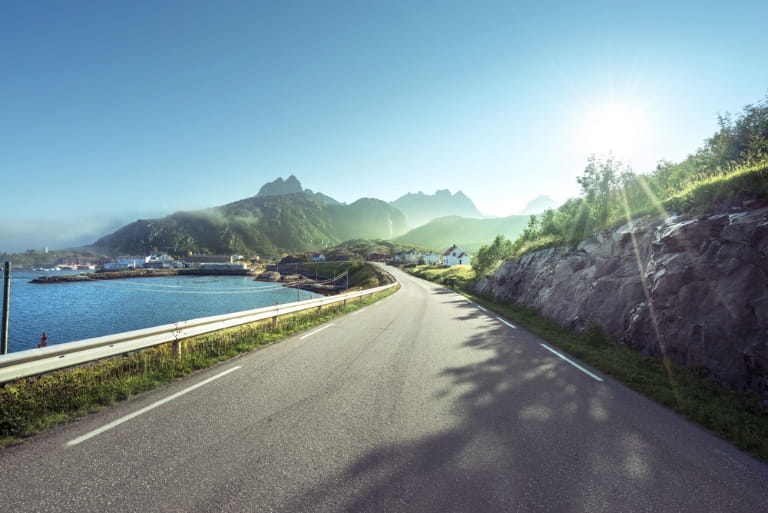
Destination holidays regard travel as an annoying interlude between home and the actual destination. Hours spent waiting at the airport, cramped on planes, navigating transfers is a necessary evil to get to where they need to go. But for those traveling by road, the driving is a part of the experience—an adventure in and of itself—not an inconvenience to tolerate to get to the good stuff.
Picturesque areas that would be skipped along the way to a hotel/resort are now points of interest. Random roadside pull-offs, tiny towns, unexpected discoveries along the way often prove more enjoyable than the intended destination. When travel is about the journey and the end result, it becomes one big trip instead of just a means to an end.
It Allows You to Change Your Mind
When accommodations are booked in advance, an itinerary is set into motion. If someone misses one date, they lose their money with no refunds. If someone finds themselves having too great a time somewhere, they’re out of luck because there’s a deadline for checkout and another reservation awaiting them. It forces travel to fall into a box that doesn’t necessarily make sense when experiencing things in the moment.
When one travels with a camper trailer, this is no longer a problem. If something awesome is found along the way, stay another night. If bad weather ensues, they’re able to drive to better pastures. If a festival is happening down the road, they can check it out. The imperative to follow a schedule dissipates and instead, travelers learn to embrace opportunity.
It Provides Access to Places Where Hotels Will Not
Tourist activities generally cluster where accommodation opportunities exist. Hotels and resorts abound—people are more likely to go where they can sleep than where they cannot. This eliminates stunning locations without accommodations from being typical tourist destinations even if they’re miles more beautiful than others with crowds and attractions.
Traveling with a camper allows people access to national parks, coastal destinations, bush areas and mountains—anywhere with camping arrangements or access. These areas boast some of the most amazing scenery with experiences that can surpass those found in resort towns. At least for crowding since less people are likely to camp than hang out in hotels; but scenery also tends to be more breathtaking.
It Adjusts Costs
Destination holidays generally have accommodation costs locked in. Multiple nights in hotels—especially for families—are substantial expenses no matter how much time is spent in the hotel room as opposed to enjoying local activities. Either everyone is paying for hotel amenities they’re not using or they’re paying for hotel rooms and not maximizing their stay.
With road-based travel, accommodation expenses are built-in at the beginning. The per-night cost goes down exponentially. This is not to say camping fees are non-existent but even those fees are minuscule compared to hotel accommodations. Therefore, families can enjoy their holidays for either an extended period of time or spend their hard earned money on more exciting adventures due to accommodation savings.
It Controls Pace
Holidays often come with itineraries crammed with too much excitement. Must-see attractions, must-eat restaurants, must-try activities turn into exhaustive experiences that defeat the purpose of going on holiday in the first place—to relax. But when travelers can travel at their own pace, they have all the time in the world to stay longer where it’s interesting, or leave sooner than expected if it’s dull.
There is no guilt in skipping big attractions if they don’t appeal because there’s always the option of returning some other time. When no clock is ticking, holidays become much more restorative instead of regimented.
Family Relationships Change
Hotels and resorts force proximity. Families share spaces—incredibly tight spaces—with thin walls and adjoining rooms. Routines are thrown off between mixed child supervision considerations and those struggling with different sleeping arrangements struggle their vacation from the beginning. Parents tasked with keeping children quiet and attentive in small rooms cause additional tension that competes with relaxation.
When traveling via camper trailers, families have more access to different spaces—outdoor spaces where children can burn off energy before bed and more room to spread out if children act out of sorts. Familiar sleeping arrangements come with families as it’s easier to contain kids in a camping setting than in a hotel.
It Teaches Important Travel Skills
Destination holidays are passive experiences. Someone else created an itinerary, fixed major problems and managed minor details without guests having to do much except show up and pay their money for pre-arranged options.
Road-based travel challenges this status quo and empowers ticket holders. They must learn route plans, setup expectations, problem-solve when things go awry on their trek—they build knowledge and confidence while developing systems over time for each subsequent road-based adventure.
Weather Considerations Are Important
Weather destroys destination holidays—the rain means travelers are stuck inside resorts; heat means runners up in mountains are melted on trails; investing big money into accommodations only to sit in one spot for three days is immensely frustrating.
However, when traveling by car/trailer/camper, people can adapt—rain on the coast means getting inland; heat means traveling to higher elevations. Weather becomes irrelevant when there are contingencies around it; if travelers learn how to make their weather-related attempts subordinate factors instead of trip-defining ones, it makes travel that much more reliable.
Spontaneity is Embraced
The best stories from vacations involve spontaneity—the unexpected local festival found along the route, an unusual swimming location discovered along the way, interesting travelers met while taking a break at rest stops from their own journeys. These things do not happen from rigid itineraries but embrace detours along the way.
Road-based adventures allow this spontaneity—a recommendation received from someone met along the route; an interesting side road taken just because it seemed nice; a cool roadside attraction taken just because something catches attention. This embrace brings unique circumstances absent from standard tourism everyone else does.
It Provides Long Lasting Value
Destination holidays create memories tied directly to location and time frame—but when it’s over it’s over; it’s temporary nostalgia unless the family intends to return before too long—but this seldom happens due to distance considerations or money outlays.
Road-based camping builds sustainable success—there are skills developed, equipment procured and accumulated knowledge earned along the way—which builds value for all subsequent trips down the line. As families develop favorite spots they go back to year after year, they know what equipment they actually need versus what just sounded good. They grow comfortable and confident over time—allowing them access to unique trips they can take based on cumulative sustainability.
The movement from destination-minded attitude to focusing on the journey itself opens up so many avenues not previously explored with simplistic means of travel. Less stress. More flexibility. Better access. Greater value. Road-based experiences bring adventures that holiday normalcy cannot compete against.