Checking a used car yourself and hiring an inspector serve different purposes. A practical sequence starts with a buyer’s first look, followed by a professional inspection when a car seems worth pursuing. A walkaround helps narrow the search before paying for a closer assessment.
What a DIY walkaround is good for?
A patient visual check can reveal reasons not to pursue a car. It requires no specialist equipment, making it a useful starting point without replacing a mechanical assessment.
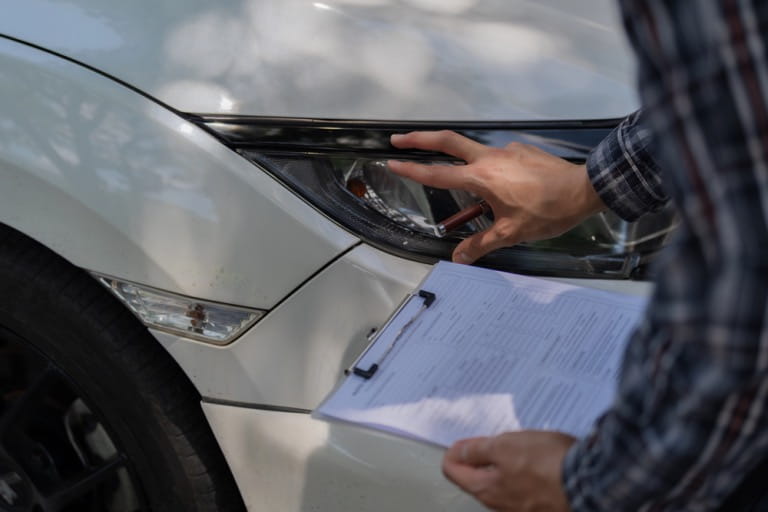
Start outside in good daylight. Look down each side for color match and straight reflections. Uneven gaps between doors and fenders can point to past repairs. That’s not proof of a crash, but it is a reason to ask questions.
Look at visible rust around wheel arches and door edges. Check glass for chips and lights for moisture, then look at tires for cuts and uneven wear across the tread.
Windows and locks offer clues about daily care. Ask for service records and compare mileage with wear on seats and pedals. A very worn interior with low mileage deserves an explanation.
Look for patterns.
Take a test drive only with permission and on normal roads. Notice cold starting and gentle acceleration. Braking should feel straight and steady without shudder. Listen for knocks or squeals and feel for pull or vibration.
One short drive won’t prove the car’s health, though it can expose obvious faults.
Where a DIY check stops?
A walkaround has hard limits. Internal engine wear and past flood damage may leave no clear surface sign during a brief street-side viewing. Electrical faults can be intermittent.
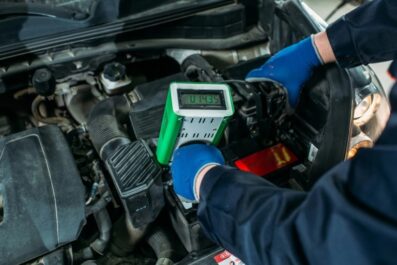
They may not appear during a short drive. Fault codes can sit in memory without lighting the dash, and a seller can clear a warning light before sale.
That’s why a clean dash isn’t a clean bill of health. Don’t go under the car, lift it or reach around hot parts. Leave that area to a shop with proper access. A driveway view can’t match what a shop can see.
DIY is useful for rejecting a car, but it isn’t enough to approve a purchase.
Why where you buy changes the risk?
Private and dealer purchases carry different consumer protections. Those differences matter, but neither seller type establishes the condition of a particular car.
Ask what records and inspection reports are available rather than assuming a dealer has a complete file or a private seller has none. Both types of sale warrant attention to current condition.
Ask who did the inspection and when. The report’s age, scope and findings matter alongside who commissioned it. Don’t assume any dealer paper removes the need for your own check. Ask about scope and get specifics in print.
When browsing used-car listings, look for inspection details and ask whether the seller will allow an outside assessment. A scan of dealer car sales pages can help build a shortlist, but the next step is to request the records for each candidate. Price alone shouldn’t decide it.
An existing report can inform that decision without replacing a buyer-commissioned assessment of a serious contender.
What a professional looks at differently?
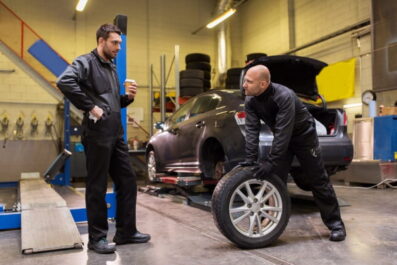
An independent inspector brings equipment and a view of the car without a stake in the sale. Workshop access can include lifting gear and scan equipment.
Scope varies, so ask before booking. Some inspections happen in a workshop; others are mobile at the seller’s address. A workshop visit may allow better access beneath the car and more time with test tools.
A mobile visit can still be useful when travel is hard, but space and weather can limit what is possible. Ask how brakes, tires, suspension and visible leaks will be assessed.
Check whether the price includes a road test and a fault-code scan, and which electronic systems the scan covers. Access limitations should be explained in the report so an unexamined area is not mistaken for a passed check.
Some shops can add compression or cooling checks for a fee. Those tests aren’t in every standard job. Choose someone independent from the seller and look for a licensed shop with sample reports. Ask which systems the inspection covers, whether photos are included, how long the report takes, and whether the inspector will discuss findings by phone.
No inspection can promise future reliability. It describes the condition observed within its scope and flags concerns that may need further testing or repair.
Run the history check and read the report right
Paper history sits beside mechanical condition. One doesn’t replace the other.
In Australia, the PPSR car check lists any security interest registered against a vehicle and can flag whether it is recorded as stolen or written off. It doesn’t prove legal ownership, show the amount owed, confirm mileage, or list every past crash or repair. Use it alongside service records and the inspection result.
Read the inspector’s report in full. Ask the inspector to explain each finding’s urgency. A worn component may affect safety as well as need maintenance, so a label alone does not establish its significance. Clarify which issues need attention before driving and which can be planned for later.
Then get repair estimates for major flags. A written estimate turns vague worry into costs that help with the decision to proceed or walk away. It also gives a base for price talks.
Keep notes from each car to make comparison easier.
Use free checks to cut the list, then pay for an independent assessment of a serious contender. That order keeps the walkaround in its proper role without treating it as a substitute for trained inspection.