
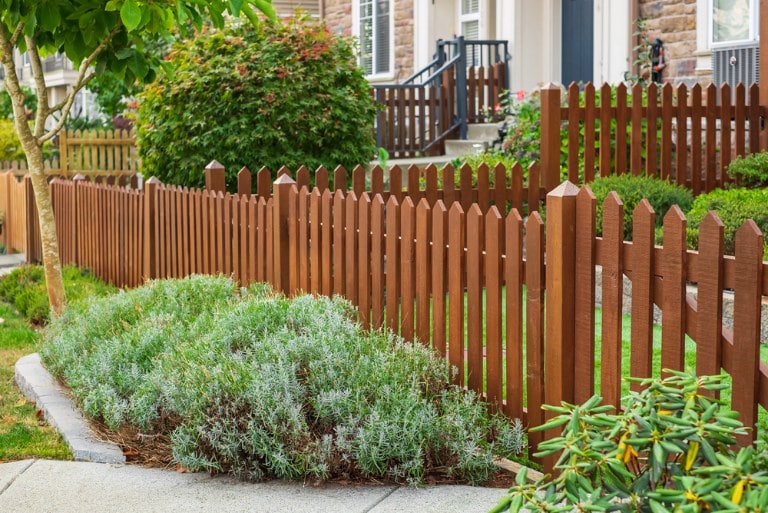
Fort Wayne’s weather doesn’t mess around. One day you’re enjoying 75-degree sunshine, the next you’re scraping ice off your windshield. Your fence faces the same dramatic swings – and honestly, it takes a beating. Fort Wayne’s local custom fence installation means nothing if you don’t maintain what you’ve invested in.
Most homeowners think fences are “set it and forget it” structures. That’s a costly mistake in Northeast Indiana. The freeze-thaw cycles, summer storms, and humidity swings that define our climate demand a maintenance approach that’s as local as sweet corn and Colts football.
Here’s your seasonal playbook for keeping your fence strong, attractive, and worth every dollar you spent on it.
Spring: The Post-Winter Reality Check
March hits Fort Wayne like a wake-up call. Snow melts, revealing what winter really did to your property. Your fence probably looks like it went ten rounds with Mother Nature – because it did.
Spring inspection isn’t optional here. Allen County’s freeze-thaw cycles are particularly brutal on fencing materials. Water seeps into tiny cracks, freezes, expands, and turns minor issues into major headaches. Walk your fence line with a critical eye, looking for loose boards, shifted posts, or hardware that’s given up the fight.
Wood fences take the hardest hit. Check for warping, splitting, or boards that have pulled away from posts. Moisture damage shows up as soft spots, discoloration, or that telltale musty smell. Don’t ignore these signs – they’re your fence crying for help.
Vinyl fences might look tough, but they’re not immune. Temperature swings make vinyl brittle, leading to cracks that start small but grow fast. Pay special attention to connection points and corners where stress concentrates.
Metal fences reveal winter’s damage through rust spots and loose connections. That reddish-brown staining isn’t just cosmetic – it’s structural cancer that spreads if left untreated.
Your spring cleaning routine should include power washing, but go easy. Allen County clay sticks like glue, but aggressive pressure can damage fence materials or force water into places it shouldn’t go. Use a gentle setting and work systematically.
Tighten loose hardware while you’re at it. Winter’s expansion and contraction loosen screws, bolts, and brackets. A few minutes with a screwdriver now prevents bigger problems later.
Summer: Protection Mode Against Heat and Storms
Summer in Fort Wayne brings its own challenges. UV rays beat down relentlessly, while sudden thunderstorms test your fence’s structural integrity. This season is about protection and preparation.
Wood fences need UV protection the most. Apply stain or sealant during dry spells – typically late June or early July, when humidity drops. Choose products designed for Midwest climates. Generic hardware store sealants often fail in our specific conditions.
Vegetation control becomes critical during Fort Wayne’s aggressive growing season. Vines, bushes, and weeds don’t just look messy – they trap moisture against fence materials and create pathways for insects and rot. Keep a three-foot clear zone around your fence line.
Gate maintenance deserves special attention. Summer heat makes everything expand, throwing gates out of alignment. Lubricate hinges monthly and adjust latches as needed. A gate that doesn’t close properly defeats the purpose of having a fence.
Storm preparation matters more than most people realize. Fort Wayne sits in a weather corridor that produces sudden, intense storms. Secure loose items near your fence line and document your fence’s condition with photos. Insurance companies appreciate proactive homeowners.
Monthly tasks include hosing down accumulated pollen and dust, checking gate alignment, and trimming vegetation. These small efforts prevent the kind of damage that requires professional intervention.
Fall: Critical Prep for Winter’s Assault
Fall determines whether your fence survives another Fort Wayne winter. October and November represent your last chance to address issues before freezing temperatures make most repairs impossible.
Material-specific preparation varies significantly. Wood fences need final sealing or staining applications. Vinyl fences require deep cleaning and inspection of expansion joints. Metal fences need immediate attention to any rust spots – winter salt and moisture turn minor rust into major problems.
Remove climbing vines completely. They look charming but hold moisture against fence materials all winter long. Clear drainage around posts to prevent ice buildup that can shift or damage foundations.
Professional services make sense for certain fall tasks. Structural reinforcement, protective coating applications, and post stabilization often require specialized equipment and expertise. Fence companies like Gleave Construction understand Fort Wayne’s specific climate challenges and can recommend appropriate treatments.
Don’t let leaves pile against your fence base. Wet leaves create the perfect environment for rot and pest problems. Rake regularly and maintain good airflow around fence materials.
Check and repair gate latches before winter. Frozen gates are frustrating, but broken latches are security risks. Replace worn hardware now while you can still work with your hands instead of mittens.
Winter: Survival Mode and Damage Control
Winter maintenance in Fort Wayne is mostly about monitoring and damage control. Snow loads, ice storms, and temperature swings test every fence component.
Snow removal requires care. Use a soft brush or broom to clear snow from fence lines. Avoid metal shovels or ice choppers that can damage fence materials. Heavy snow puts significant weight on horizontal fence elements – remove it before accumulation becomes dangerous.
Ice management presents unique challenges. Don’t use rock salt or harsh chemicals near fence posts – they accelerate corrosion and damage. Sand provides traction without chemical damage.
Emergency repairs should be minimal and temporary. Most fence materials become brittle in extreme cold, making permanent repairs risky. Focus on safety and security, leaving comprehensive repairs for spring.
Document any obvious damage immediately. Take photos and notes for insurance purposes. Small problems that develop into major issues over winter are easier to claim when you have documentation showing when damage occurred.
Material-Specific Long-Term Strategies
Wood fence longevity depends on consistent care. Plan on staining or sealing every 3-5 years in Fort Wayne’s climate. Cedar naturally resists rot but still needs protection. Pressure-treated lumber lasts longer but requires regular maintenance to prevent checking and splitting.
Vinyl fence care involves more than most people realize. While marketed as “maintenance-free,” vinyl still needs regular cleaning and inspection. Expansion joints require attention, and UV exposure can cause chalking that affects appearance.
Metal fence maintenance focuses on rust prevention and hardware care. Powder coating touch-ups prevent small chips from becoming major rust problems. Replace hardware on a schedule rather than waiting for failure.
Composite fence care varies by manufacturer and material composition. Some composites expand and contract significantly with temperature changes. Others resist weather but require specific cleaning methods to prevent staining.
Here’s the thing about professional installation – it makes maintenance easier and more effective. Quality materials properly installed create fewer maintenance headaches and last significantly longer than DIY projects.
Your Fence Investment Strategy
Proper maintenance extends fence life by decades while protecting your property investment. Fort Wayne’s climate demands local expertise and materials designed for Midwest conditions.
Create a seasonal maintenance calendar and stick to it. Build relationships with local professionals who understand regional challenges. Document your fence’s condition regularly – it helps with insurance claims and resale value.
Your fence protects your property investment. Return the favor with consistent, appropriate care. The few hours you spend each season maintaining your fence save thousands in premature replacement costs.
Smart maintenance isn’t just about preserving what you have – it’s about maximizing the value of your investment while keeping your property secure, private, and attractive year after year.