Standing in your backyard on a quiet Sunday morning, coffee in hand, you’re probably wondering about that fence decision you’ve been putting off. Should you go for complete privacy or keep things open and welcoming? Expert fence contractors understand that this choice impacts not only your daily life but also your property value and neighborhood relationships.
The truth is, Pasadena homeowners face a unique challenge. Our waterfront community has everything from cozy Lake Shore cottages to sprawling Downs Park estates, and what works on Riviera Beach might look completely out of place near the marina. Let’s break down how to make the right choice for your specific slice of Anne Arundel County.
Understanding Your Neighborhood’s Personality
Here’s what I’ve noticed after years of working in Pasadena: each area has its own fencing personality. The waterfront communities around Lake Shore tend to favor decorative styles that don’t block those million-dollar water views. You’ll see plenty of elegant aluminum and ornamental iron that says “this is my property” without screaming “stay away.”
Head over to the Downs Park area, and you’ll find a mixed bag. Larger lots often go decorative in front, privacy in back. Makes sense when you’ve got the space to work with. But those smaller residential streets? Privacy fences dominate, especially where backyards bump up against each other.
Don’t forget about Anne Arundel County’s fence regulations either. Most residential areas allow up to six feet without special permits, but some neighborhoods have covenant restrictions that might surprise you. Always check before you build – trust me on this one.
When Privacy Makes Perfect Sense
Privacy fences serve one main purpose: creating your own little world. We’re talking six to eight feet of solid barrier that blocks sight lines, reduces noise, and gives you that “ahhh” feeling when you step into your backyard sanctuary.
Wood remains the go-to choice for most Pasadena homeowners. Cedar costs more upfront – around $35-40 per linear foot installed – but it naturally resists our humid Maryland weather. Pressure-treated pine runs cheaper at $25-30 per foot, though you’ll need to stay on top of staining every few years.
Vinyl‘s gaining ground, especially near the water. Yeah, you’ll pay $45-60 per linear foot, but think about it: no painting, no staining, no worrying about salt air eating away at your investment. Just occasional washing with the garden hose.
Privacy fencing makes the most sense when you’re dealing with busy roads, nosy neighbors, or kids who need a secure play area. Pool owners? This isn’t even a question – privacy fencing often becomes a safety requirement. Small lots benefit too, since every square foot of outdoor space becomes more usable when it feels private.
The Decorative Approach
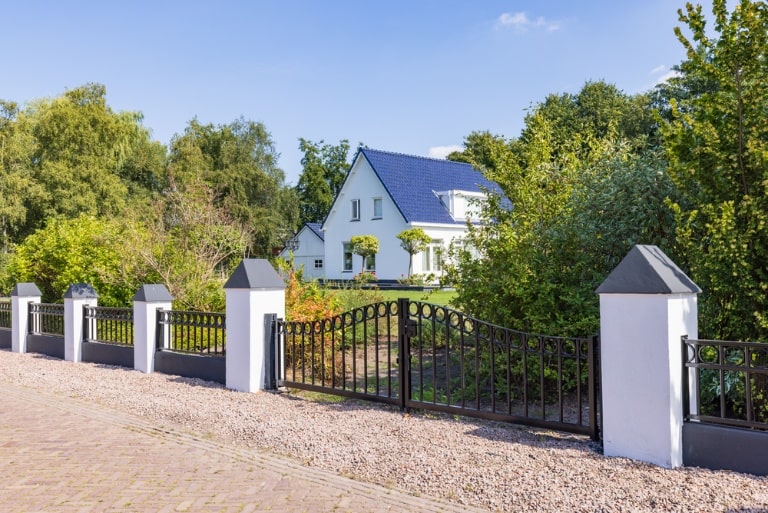
Decorative fences take a completely different approach. Instead of hiding your property, they frame it. Think of them as jewelry for your landscape – they define boundaries while keeping things open and friendly.
Classic picket fences never go out of style in Pasadena’s established neighborhoods. White picket says “welcome” in a way that solid privacy never could. Modern versions come in colors beyond white, and you can play with height and spacing to match your home’s architecture.
Ornamental aluminum and iron work beautifully for upscale properties. They handle our coastal conditions without the rust issues of cheaper metals, and they add an elegant touch that actually increases curb appeal. Split rail fencing works great for larger properties where you want to mark boundaries without breaking the bank.
The key with decorative fencing is knowing when it works. Front yards almost always benefit from decorative styles. Properties with gorgeous views should keep them visible. Larger lots where privacy isn’t a concern can use decorative fencing to create garden rooms and define different outdoor spaces.
The Smart Hybrid Strategy
Here’s where things get interesting. Who says you have to pick just one style? Most successful fence projects in Pasadena combine both approaches strategically.
The classic move: decorative fencing in front, privacy in back. This gives you curb appeal where it matters while creating that private retreat behind your house. Corner lots can use decorative fencing along the street-facing sides and privacy where it makes sense.
You can also play with heights and materials. Maybe a four-foot decorative fence with privacy panels added in specific sections. Or ornamental iron with privacy slats that can be removed seasonally. The options are endless when you think creatively.
Making Your Decision
Let’s get practical. Your lot size matters more than you might think. Smaller properties benefit from privacy fencing because every square foot needs to feel usable. Larger lots can afford to be more decorative since you’ve got natural space buffers.
Budget reality check time. Privacy fencing costs more upfront but might save money long-term if you choose low-maintenance materials. Decorative fencing often costs less initially but might need more frequent updates to stay looking sharp.
Think about your lifestyle too. Got kids who need a secure play area? Dogs that like to patrol the perimeter? Love hosting backyard barbecues? Privacy fencing probably makes sense. More of a front-porch-sitting, wave-to-the-neighbors type? Decorative might be your speed.
When All Around Fence & Decks does site consultations, we always ask about your long-term plans. Are you staying put for decades or thinking about selling in a few years? The answer affects which style makes the most financial sense.
Your Next Move
The fence decision doesn’t have to be overwhelming. Start by walking your neighborhood and noticing what works (and what doesn’t). Take photos of styles you like and think about how they’d look with your home’s architecture.
Consider your specific needs: privacy, security, curb appeal, or maybe all three. Remember that the best fence for your neighbor might be completely wrong for your situation.
Most importantly, don’t rush the decision. A quality fence installation should last 15-20 years with proper maintenance. Take time to get it right the first time, and you’ll be enjoying your choice for decades to come.
The right fence transforms your property from just another house into your personal retreat. Whether that means complete privacy or welcoming openness depends entirely on your unique situation and neighborhood character.