
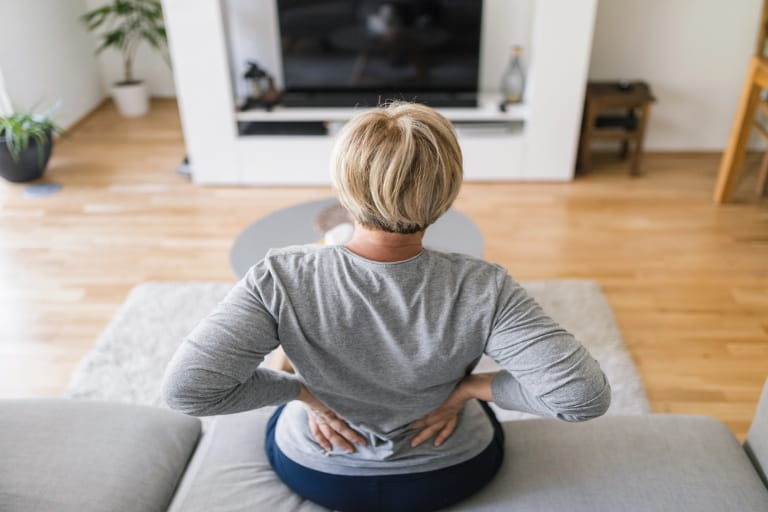
When chronic pain is a part of your life, everything feels different. Many people who live with chronic pain also find that extensive trial and error is the only way to find true relief. Those who suffer from ongoing pain often find that conventional medical approaches only go so far, only to have to look for additional resources and techniques for something that really helps.
Unfortunately, the reality is that more often than not, effective management of chronic pain comes from multiple avenues approached at once, not just a single solution. What’s effective varies greatly person to person, but there are many tried and true solutions that appear to actually help people feel better.
Why Chronic Pain Sticks Around
Chronic pain is not the same as acute pain; pain that signals something needs help (i.e. healing). Instead, a person develops a pain response that’s hardwired into the nervous system itself. The mechanism has essentially “forgotten” to turn off the response and continues to send signals even after the original injury is healed or with no clear physical indication for the pain response.
Therefore, pain relief is often most effective when applied to both the physical sensation and the behavioral response patterns of the nervous system. It’s just as important to calm an individual when their entire nervous system is on high alert as it is to attend to a specific area with ice and compression.
Additionally, for the inflammatory component that contributes to chronic pain as well, the more that general inflammation of the body can be lowered, the more relief people get beyond expected in a supplemental approach.
Movement and Movement Approaches That Help
The last thing many people think they should do when they are in pain is to move—and yet, for many chronic pain patients, moving as much as possible and finding gentle, repetitive movement patterns is much more helpful than complete rest.
This is especially true in the case of water exercise which provides support for body weight but also promotes full range of motion. Patients with arthritis, fibromyalgia, or back pain often find that they can walk in the pool or swim gently in ways that they cannot when on dry land.
Stretching/flexibility work also is important, and when coupled with courses of gentle yoga or tai chi, for example, maintaining mobility works wonders to limit muscle tension that helps feed chronic pain patterns. Yet again, this is most effective when applied gently and consistently—not in strength training efforts beyond toleration levels.
Natural Anti-Inflammatory Approaches
Diet often works as a huge component in relieving pain more than people expect. Especially with inflammatory conditions, eliminating processed foods, sugar and trigger foods (whenever applicable) reduces overall inflammation and pain substantially over time.
There are many who find extensive natural anti-inflammatory approaches work much better than relying on medications alone. Many individuals with chronic conditions turn to suppliers like bulk weed canada for products they use as part of their broader pain management strategies.
Compounds from omega-3s to turmeric and ginger are found naturally in the world with anti-inflammatory properties and work best when implemented over time for best results; often the results take a while to feel significant impacts, but when they do, they truly matter.
Stress Management
Stress feeds chronic pain and chronic pain feeds stress; it’s a cycle that’s difficult to break. Yet once it does break, often patients feel much more relieved even if the underlying condition does not change immediately.
Deep breathing exercises along with meditation and mindfulness practices calm the overall nervous system response for pain impulses. Five minutes here or ten minutes there can provide acute relief—even those who experience little to no relief over time find that this works in acute episodes instead.
In addition, utilizing various progressive relaxation techniques helps people become more aware of tensions (or lack thereof) they’re holding in their bodies without even realizing it. This works through a tensing and releasing of various muscle groups throughout the body so people can identify different areas where they may be holding excess tension—as well as let go of tensions everywhere else.
Sleep Management
Poor sleep makes everything worse—and when chronic pain interferes with sleep as well, finding relief can be nearly impossible. However, by paying attention to sleep management, it can create a positive feedback loop where good sleep leads to less pain that leads to better sleep.
Sleep hygiene becomes incredibly important as bedrooms should be cool/dark/consistent schedules/quiet/basically everything that one would want an ideal bedroom setup to be in order to achieve consistent deep sleep.
Some also find gentle movement or stretching before bed works wonders to ease nighttime/bedridden pain while others find heat pads/cool compresses/positioning devices/memory foam sleep constructs work wonders for support while sleeping.
Heat and Cold Applications
Heat and cold are consistently one of the simplest management strategies available. Heat application increases circulation, comforts muscles and addresses stiffness while cold applications reduce swelling/numb areas of acute urgency from flaring up in general.
It’s also important to note when heat or cold is more effective—heat is beneficial for muscle tension/stiffness/chronic sensations while cold works better for acute flares/swelling or nerve conditions.
Some people benefit from alternating temperature approaches which can include warm baths or heating pads/warm compresses versus ice packs/cold baths/cold gels—a timed amount (15-20 minutes) generally is advisable without causing tissue damage afterward.
Sustainable Daily Routines
More effective approaches come from incorporating consistent daily strategies rather than looking for crisis intervention—people work best when they build gentle approaches over time and incorporate several techniques for better long term results rather than intensive efforts sporadically across time.
For example, a positive morning routine can include gentle stretches, anti-inflammatory breakfast choices or stress-reducing practices to start off on a good foot while evenings can include relaxation/pain alleviation prior to restorative sleep efforts. Pacing throughout the day can help alleviate too much activity at once which might trigger later-on flares; this means segmenting larger tasks into smaller efforts or taking breaks before the body says “no”.
Personalization for Effective Management
Finally, effective chronic pain management comes down to personalized strategies over time through trial and error. Always keep one or two new techniques on hand at all times from various segments and then integrate one or two per week/few weeks to see if anything provides relief (both physical and functional).
Keep meticulous notes on what helped and what didn’t over time—pain level/outside activity tolerations/sleep quality/daily functionality indicate when something works best versus what’s ultimately counterproductive.
Work with professionals about what could be helpful without interfering by all means so that optimal comprehensive approach methods are compiled from multiple avenues for best quality of life possible.