Living in Virginia Beach means dealing with unique basement challenges that most homeowners never see coming. The sandy soil beneath your feet creates a completely different set of waterproofing needs compared to homes built on clay or rock. Professional sump pump installation in Virginia Beach becomes more than just a precaution—it’s often the difference between a dry basement and a costly disaster.
Your home’s location within the city dramatically affects which waterproofing approach will actually work. What saves an Oceanfront property might fail miserably in Kempsville, and understanding these differences can save you thousands in repairs and headaches.
Virginia Beach’s Sandy Soil Challenge
The sand beneath Virginia Beach homes behaves like a giant sponge with a mind of its own. Unlike clay soil that holds water in place, sand allows water to move rapidly and unpredictably toward your foundation. This creates hydrostatic pressure that can overwhelm traditional waterproofing methods designed for different soil types.
The water table here fluctuates dramatically with seasons and storms. During hurricane season, that table can rise several feet in just hours. Winter nor’easters bring their own challenges, saturating the already permeable sand and creating sustained pressure against basement walls.
Different neighborhoods face distinct challenges based on their soil composition. Oceanfront properties deal with pure sand that drains quickly but offers little structural support for waterproofing systems. Chesapeake Bay area homes encounter mixed sand-clay soil that creates unpredictable drainage patterns. Inland areas like Kempsville and Princess Anne have slightly more clay content, which can actually trap water in unexpected ways.
Back Bay neighborhoods present unique wetland soil conditions that require specialized approaches and often involve environmental permitting for drainage modifications.
Interior Solutions That Actually Work
Sump pump systems represent the most reliable interior solution for Virginia Beach’s sandy conditions. The rapid water infiltration through sand makes traditional basement sealants nearly useless during heavy rains. A properly sized sump pump can handle the sudden water influx that characterizes coastal storms.
Battery backup systems aren’t optional here—they’re survival equipment. When Hurricane Isabel knocked out power for weeks, homes with backup sump pumps stayed dry while others flooded. The investment in a quality backup system pays for itself the first time you need it.
Interior French drains work exceptionally well with sandy soil because they harness the sand’s natural drainage properties rather than fighting against them. These systems collect water as it moves through the sand and direct it to your sump pump before it can build pressure against foundation walls.
Dehumidification becomes critical in Virginia Beach’s year-round humidity. Even with effective drainage, the moisture-laden air can create condensation problems that traditional waterproofing doesn’t address. Modern dehumidification systems integrate with existing HVAC to maintain optimal humidity levels without skyrocketing energy bills.
Exterior Approaches for Coastal Homes
Exterior French drain systems excel in sandy soil environments because they intercept water before it reaches your foundation. The key lies in proper installation that accounts for Virginia Beach’s unique drainage patterns and storm surge potential.
Foundation waterproofing membranes face unique challenges in sandy soil. The constant shifting and settling can compromise membrane integrity over time. Selecting materials specifically designed for coastal conditions and sandy soil movement becomes critical for long-term effectiveness.
Landscape grading takes on special importance when working with sand. Traditional grading techniques often fail because sand doesn’t hold its shape like clay. Working with natural drainage patterns and incorporating rain gardens can manage excess water while preventing erosion around your foundation.
The choice between exterior and interior solutions often depends on your specific soil conditions and neighborhood characteristics. Exterior solutions typically offer better long-term protection but require more extensive installation and ongoing maintenance in coastal environments.
Neighborhood-Specific Strategies
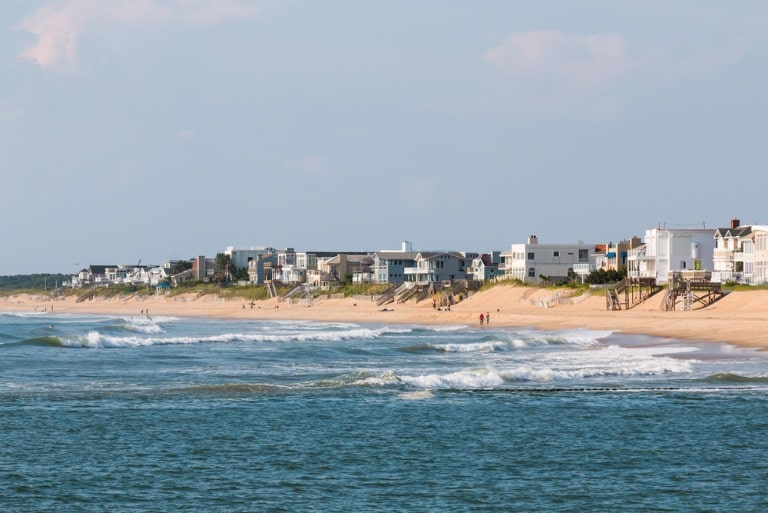
Oceanfront properties face the harshest conditions with pure sand, salt air exposure, and potential storm surge. These homes typically need robust sump pump systems with multiple backups and exterior drainage designed to handle extreme water volumes. The investment in premium systems pays off during major storms when lesser solutions fail.
Chesapeake Bay area homes deal with mixed soil that creates unpredictable water movement patterns. Tidal influences can affect groundwater levels, making timing of drainage system maintenance critical. Combined interior and exterior approaches often work best in these areas.
Inland neighborhoods like Kempsville and Princess Anne benefit from slightly more stable soil conditions. The increased clay content can actually help with some waterproofing approaches, but it also creates areas where water can pool unexpectedly. Cost-effective solutions often focus on strategic sump pump placement and targeted exterior drainage.
Back Bay properties require special environmental considerations due to wetland proximity. Drainage modifications may need permits, and eco-friendly waterproofing options become necessary to protect sensitive ecosystems while keeping basements dry.
Choosing Professional Help
Finding the right contractor means looking for someone who understands Virginia Beach’s specific soil challenges. Generic waterproofing companies often apply cookie-cutter solutions that fail in sandy soil conditions. Look for contractors with extensive local experience and a track record of successful installations in your specific neighborhood.
Universal Pest & Termite has built a reputation for understanding these local soil variations and matching solutions to specific conditions rather than pushing one-size-fits-all approaches.
Ask potential contractors about their soil assessment procedures and how they account for seasonal water table changes. Request references from similar properties in your area and verify their understanding of local building codes and environmental regulations.
Red flags include contractors who don’t perform soil assessments, promise unrealistic results, or seem unfamiliar with Virginia Beach’s unique coastal challenges. Avoid anyone pushing expensive solutions without explaining why your specific soil conditions require that approach.
Making the Right Choice
Your basement waterproofing success depends on matching the solution to your specific soil conditions and neighborhood characteristics. Sandy soil creates unique challenges that require specialized approaches, but it also offers opportunities for effective drainage when properly managed.
The investment in proper waterproofing pays dividends during every storm season. Virginia Beach homeowners who choose soil-appropriate solutions report fewer water problems, lower maintenance costs, and greater peace of mind during severe weather events.
Don’t wait for the next major storm to test your basement’s defenses. Proactive waterproofing based on your specific soil conditions and neighborhood characteristics provides the protection your home needs in Virginia Beach’s challenging coastal environment.