After a motor crash the most pressing question usually involves figuring out who caused the collision. This answer determines who pays for repairs, who covers medical bills, and whose insurance premiums might skyrocket.
It feels like a puzzle where the pieces are scattered across the pavement, but putting them back together is the only way to move forward. You do not need to be a detective to understand the basics of how these determinations get made.
Read the Scene for Skid Marks, Damage, and Final Resting Positions
Physical evidence often tells the most honest story about a collision. Skid marks on the road are mathematically precise indicators of when a driver reacted to a threat and how fast they were traveling. A long set of skid marks might suggest speeding or a delayed reaction time.
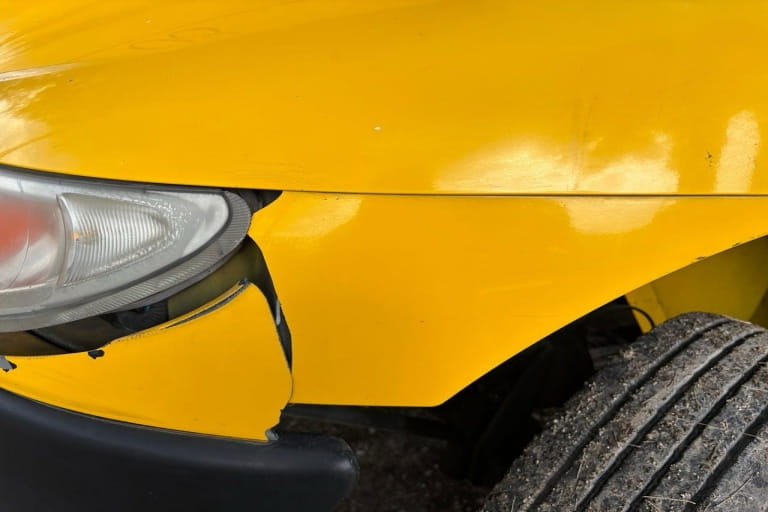
The location of the damage on the vehicles acts as a blueprint for the crash mechanics. Front-end damage versus side-impact dents reveals the angle of the collision, which helps establish who had the right of way. Even where the cars ultimately stop provides clues about momentum and force.
All these physical markers work together to contradict or support the stories told by the drivers involved.
Traffic Laws Broken in the Moments before Impact
Violating a traffic statute creates a strong presumption of negligence. If a driver runs a red light, ignores a stop sign, or makes an illegal U-turn just before an impact, they generally bear the brunt of the liability.
These rules exist to keep traffic predictable, so breaking them destroys that order and endangers everyone nearby. Establishing that a law was broken simplifies the argument for fault significantly.
In complex situations where the other party lacks adequate coverage, speaking with an uninsured motorist lawyer can clarify how statutory violations impact your specific recovery options.
When Multiple Drivers Share the Blame
Collisions are rarely black-and-white events where one person is entirely wrong and the other is perfectly innocent. Often, both drivers contributed to the incident in some way. Perhaps one driver ran a red light, but the other was texting and failed to react in time.
States use different systems to handle this, such as comparative negligence, which assigns a percentage of fault to each party. The experts at May Firm know that assigning these percentages correctly is vital because it directly alters the final compensation amount.
If you are found to be twenty percent responsible, your settlement might be reduced by that exact proportion.
The Role of Road Conditions and Poor Visibility
External factors frequently complicate the determination of fault. Heavy rain, blinding sun glare, or black ice can turn a standard commute into a hazardous event. However, bad weather does not automatically absolve a driver of responsibility.
The law generally expects operators to adjust their driving behavior to suit the current conditions. If the roads are icy, driving the posted speed limit might actually be considered negligent because it is too fast for the circumstances.
Police Reports vs. Insurance Adjuster Conclusions
You might assume the police report is the final word, but that is not always true. Law enforcement officers document the scene and issue citations based on their immediate observations and interviews. Their report carries significant weight, yet it is primarily a tool for criminal or traffic court.
Insurance adjusters conduct their own separate investigation focused on civil liability and policy terms. They review the police report but also look at photos, medical records, and statements.
Conclusion
Determining who is at fault in a motor accident is rarely simple, but it always comes down to evidence, behavior, and the legal standards that guide responsible driving. Physical clues at the scene, traffic law violations, shared negligence, weather conditions, and the findings of both police and insurance investigators all play a role in shaping the final decision.
Fault is not assigned based on assumptions or emotions—it is built on facts and the duty each driver has to operate safely.
Understanding how these factors work together helps you protect your rights, navigate the claims process with confidence, and know what to expect as your case moves forward.