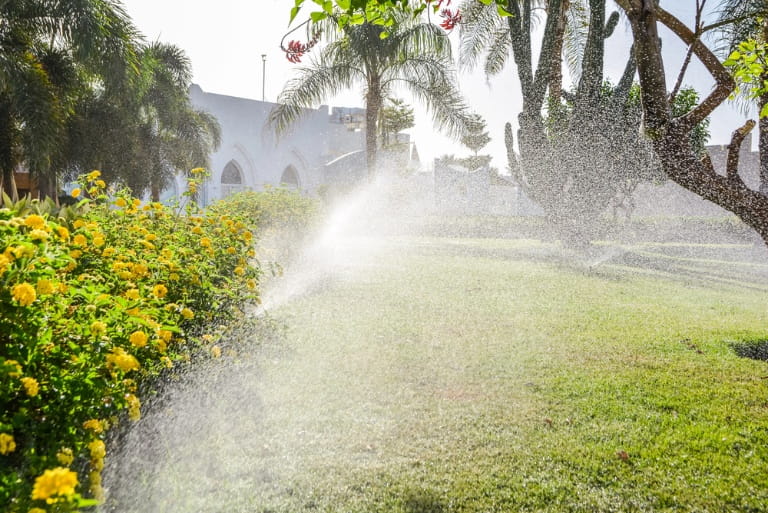
Walk through any neighborhood in summer and you are guaranteed to witness something strange. Some lawns look like a green carpet while others go brown and patchy even with homeowners spraying them with water regularly. Watering is one of those chores that you usually just turn on and forget about, hoping for the best.
Yet most people are unaware of the many things that are happening beneath the surface that determine whether grass receives the water it needs, or whether properties waste water with little to show for it.
The Design Factor Nobody Considers
This is the part that surprises most people. More people focus on how long they run their watering system than considering that the design of the watering system is more important. Properties with poor watering system design can lead to an uneven distribution of water that leaves some patches lush green while others come out crispy, especially around the property line or around trees.
Sprinkler head spacing, nozzle type, and whether the system design considers slopes all matter. When choosing the best irrigation system to install in a property, design is more important than worrying about a controller that has “smart” functions or other gimmicks.
A well-designed system ensures that every section of a property receives the coverage it needs rather than trying to treat an entire property equally like one large area of grass with the same needs.
Pressure levels are another hidden factor that most people never think to ask about. Excessive pressure causes misting which evaporates before it even touches the ground. Insufficient pressure gives property owners a watering system that barely moistens the surface of grass or the ground. Few people realize their system is operating at dramatically poor levels when a professional comes to take a look.
The Timing of Watering Matters Most
Running sprinklers at the wrong time is like throwing money in the street. Watering a property during the hottest part of the day causes a massive amount of waste as water evaporates before it can do its job.
The ideal time to water a property is early in the morning when temperatures are cooler and humidity levels higher—ideally between 4-9 AM. The grass will have time to absorb what it needs before it gets hot again. Watering in the evening is not terrible, but grass that gets left damp overnight can be susceptible to developing fungus.
What most people do not realize, however, is that how long each zone of a watering system runs for is more important than how well a system sprays every patch of grass. Clay soil does not absorb water and moisture easily, so it needs less but more frequent watering sessions so that it does not become overwhelmed. Sandy soil drains quickly and needs a completely different approach altogether.
Running every zone for the same period of time in a watering system is one of the biggest mistakes people make when setting up these systems—often not realizing they are making common mistakes.
The seasons make the difference between a thriving or surviving property. A system that gets programmed in April and left unattended until October will waste water every spring while under watering properties in the summer. The amount of water needed depends on the temperature and rainfall levels, and even how quickly grass grows.
Soil Quality is Another Major Factor
No watering system can rescue a struggling lawn or garden. Good soil quality retains the right amount of moisture in the right levels, where the plants can access and use it. Bad or compacted soil allows moisture to run away without doing anyone any good.
Aerating soil helps immensely. Poking holes in grass with a tool or machine helps nutrients reach grass roots instead of stagnating and pooling in puddles on sidewalks and roads.
Water quality is another hidden factor property owners should consider when selecting watering techniques and systems for their properties. Shallow watering at the right intervals allows grass roots to thicken and become resilient rather than rely on a system to keep them alive.
Frequent, shallow watering creates weak root systems that do not survive as long as others during dry periods—which is why some lawns die before others.
Irrigation Practices That Actually Save Water
Rain sensors might seem silly to people, but these inexpensive devices save property owners from one of the dumbest things people do with watering systems—forget to turn them off when it rains!
Customizing zones is where properties save water without compromising on appearance. Areas that receive shade do not need the same amount of water as those that spend all day soaking up the sun. Lawns need one amount of water while flower beds and shrubs need something else altogether. Catering to every area in a garden or yard based on its needs instead of just turning a system on that treats everything the same saves a considerable amount of water.
Mulch has many applications and using a little organic mulch around trees, flower beds and even in the spaces between plants saves a considerable amount of water by reducing evaporation afterwards when it rains or after a system waters a property.
Regular maintenance keeps watering systems functioning as they should. One stuck sprinkler head can waste gallons of water every day while neglecting entire areas of a property. Cracks and leaks are often hard to spot unless property owners know where to look. Regular maintenance inspections come in handy when they are needed most—not years down the line when they have cost property owners hundreds of dollars.
The Real Cost of Watering Wisely
Property owners who waste water pay dearly—for more than just the amount they waste! Properties that water wisely pay significantly less for water and other expenses over the long term.
The greenest lawns in neighborhoods do not receive the most amount of water—they just receive the right amount at the correct times and in the proper distribution patterns. This combination of a well-designed watering system, proper timing, healthy soil, and periodic changes makes the difference in a lawn that lasts all season without needing constant help from those who reside on the property.